As Rosh Hashana approaches, yidden become and are more preoccupied with their davening, their tefilos. We need to pray even more than the rest of the year. However, Yetzer Harah, in his endless efforts to destroy and distract us, tries to dissuade, and discourage the yid challenging us saying, "This intensity, this passion for prayer is only suitable for talmidei chachim, for the wise and righteous, not an average yid such as you. Don't bother!"
However, nothing could be further from the truth: even the most simple, uneducated, and unprepared yid can accomplish tremendous and awesome things with his prayer.
Prayers of a Simple Jew
I once heard from the late Rebbe of Klausenburg, z"tl a story about the Baal Shem Tov:
The Holy Baal Shem Tov received a message from the Heavens that if he wanted to see the prayer of a truly sincere, committed yid, then he should travel to a certain mountaintop near Kuty.
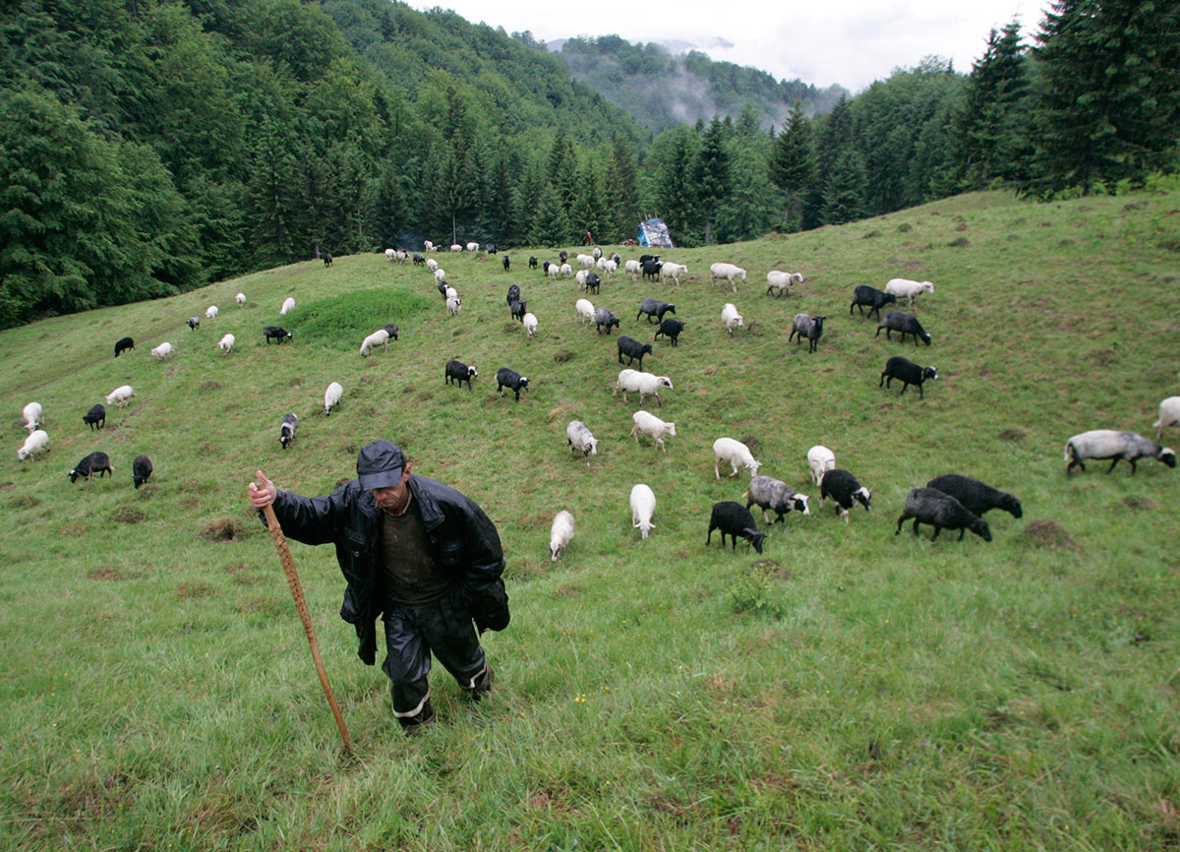
Intrigued, the Baal Shem Tov traveled there and found a shepherd named Meir. This shepherd was standing there, tears rolling down his cheeks as he repeatedly cried out with a true anguish in his soul and brokenness in his voice: "Master of the Universe, Hashem, I love you so much! I want to serve you, to do anything I can to be a loyal and committed servant! But what can I do? What can I offer? I don't know how to study the Torah. I can't do anything!" Meir thought for a moment and then reached into his satchel and pulled out a flute and exclaimed: "But, I have this flute! And I will play a song in your honor with all my heart!"
The Baal Shem Tov watched as Meir began to play, his eyes closed, his entire body swaying with the melody. He was completely immersed. He played this tune repeatedly until exhaustion caused him to faint to the floor There, on the ground, Meir lay for about half an hour.
Slowly, Meir came to himself and slowly rose to his feet. Once composed, he cried out: "Hashem, I played my flute for you with all my might, but what good is it? What can this possibly mean to You, Master of the World, whose voice created the very world! What else can I do to serve you? What can I do?"
Meir stood there thinking for a moment and then excitedly said: "I know! I will perform for you!" He then stood on his head, his feet in the air, and began to spin himself around, the whole time crying out: "Master of the World, I am doing this solely for your sake! All of this is for you and to give You joy!" He spun and spun and roll down the hill and climbed back up and spun again. Eventually, poor Meir once again passed out from physical exhaustion.
When he finally awoke, he stood and cried out: "Hashem, Master of the World, what more can I do for You? I have already played my flute. I entertained you. But all of this is meaningless for such a powerful and exalted king! What more can I do?"
Meir thought for a moment, and then cried out to the Heavens: "I know what I can do! I will give you everything in my pockets!" He rummaged through his clothes, turning every pocked inside out, until he found the one thing buried deep in the creases of his pockets: a single prutah, a penny.
"Hashem, you accept the offerings of the poor. Now, please accept my offering!"
Then, R' Meir threw the penny into the air.
The Baal Shem Tov, in relating this story, said that he saw a miracle: like a fiery hand appeared from the heavens and swooped up the penny midair.
This story demonstrates the tremendous nachas there is in heaven from a single, simple yid if he tries with all his might, all his capabilities to serve Hashem with sincerity, honesty, and truthfulness. Even a yid who cannot learn, who has nothing, can arouse in Hashem a true nachas, as we see in this story that he got an unnatural clear sign from heaven, in order that he should feel that Hashem want his avodah.
The Movement of the Baal Shem Tov
This was one of the fundamental and founding principle of the Baal Shem Tov that shifted the way Jews perceived once another.
In the era before the teachings of the Baal Shem Tov become known by the populace, the Jewish people in were fragmented and segmented. There were the Torah scholars, those fortunate enough to receive an education. And, on the other hand, were the uneducated, simple yidden who were usually laborers. They didn't know much about Yiddishkeit if anything at all.
The great sages of that time in Europe, the scholars, underestimated the value of these yidden. To help these yidden find their way back to Hashem, these scholars would travel from town to town, sermonizing; their words filled with admonishment and rebuke and teaching these simple Jews about the potential punishments that awaited them, urging them to return to Hashem lest they be punished. May times, this approach was unsuccessful and would leave the yidden feeling broken and depressed. They would fall into despair.
Then, the Heavens sent the world the Holy Baal Shem Tov, and he founded Chassidus giving birth to a movement and philosophy that would come to reframe the avodah of a yid. The Baal Shem Tov would travel from town to town and from village to village speaking with the simple yidden wherever he could find them: in the fields, in the pastures, in the shuls. And he would teach these yidden how precious they and every single yid was to Hashem. He would show them how valuable they were to the Master of the World. He would inspire them to return to Hashem, to do teshuva, with simcha, joy, and to serve Hashem out of ahavah, love.
Rains of Blessings
During the Baal Shem Tov's life, there was a period when it hadn't rained for quite some time. Not a drop. A drought consumed the lands and the communities, to do teshuva and return the blessings of rain, instituted communal fasting and prayers of supplication. They went unanswered. The rain did not fall.
One day, the Baal Shem Tov was walking, and he saw a simple yid, someone who wasn't a scholar, davening and saying the Shema. When this yid said the verse "Ve'otzar es Ha'samaim", which means "He will shut the skies so that there will be no rain." (Devarim 11:17), he started to tear and cry out in tremendous anguish. The Baal Shem Tov saw that this yid's prayers were so powerful that it vanquished the decree against the rainfall, and it began to rain drops of blessings once again.
The Baal Shem Tov approached this yid when he finished davening and asked him what he had in mind when he uttered those words. The yid answered him, "I only had in mind the simple translation of the words "Ve'otzar es Ha'samaim", that Hashem should 'squeeze' (a misguided understanding of "Ve'otzar") all the rain from the Heavens, and there should be no more rain left in the heavens.
The Baal Shem Tov used this story to illustrate a powerful lesson: the prayers of a simple Jew when uttered with true sincerity, regardless of whether he has the proper understanding of the words, can bring salvation to the world.
We Are Heads
This is the meaning of the words we say before eating from the head of a fish or sheep on Rosh Hashana: "May we be like the head and not the tail" . During these times, every single yid needs to know and believe with the utmost confidence that everyone of us is a "head" and not a "tail". Not a single yid is a lowly, irrelevant tail in the eyes of Hashem. We each have something special and powerful to offer Hashem; we have unlimited capabilities in our avodah.
By knowing this reality, everyone will daven to the best of their ability and understanding.
May all our prayers be answered and may we merit a happy, healthy, and sweet Shana Tova. Amen.
Comments
Post a Comment